Looking for a waterfront home in Keystone Point because you picture easy days on the water? That lifestyle can absolutely be part of the appeal here, but in this neighborhood, boating access is not one-size-fits-all. If you are buying with a boat in mind, the smart move is to understand how the canals, channels, bridge clearances, and lot details work before you fall in love with a view. Let’s dive in.
Why Keystone Point Stands Out
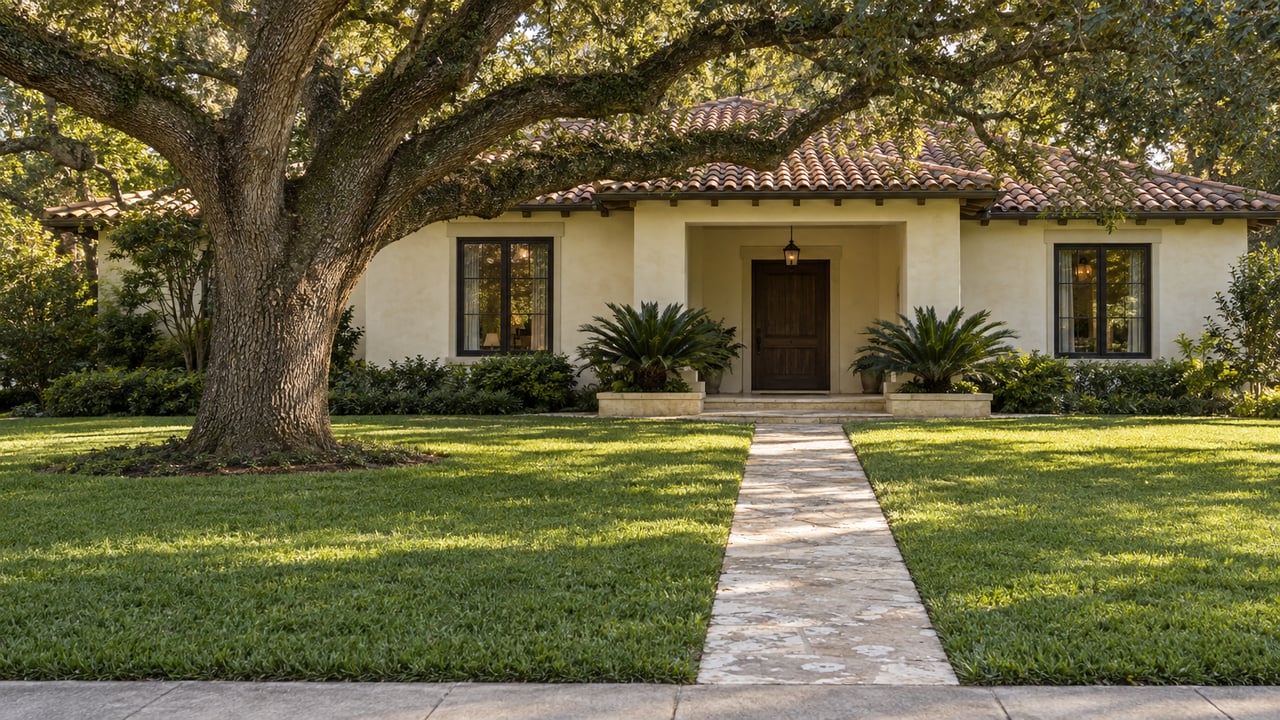
Keystone Point is a gated community in North Miami made up of about 880 single-family homes, according to the neighborhood association. It is known for its strong waterfront identity and its location in the southeastern section of Arch Creek. For many buyers, that combination of privacy, residential character, and water access is the main draw.
What makes Keystone Point especially interesting is that it is not a single, uniform waterfront layout. The neighborhood includes several sections such as Island No. 1 through Island No. 5, Keystone Point Venetian, Coronado Harbor, and Keystone Shores. That matters because your boating experience can change from one subdivision, and even one street, to the next.
Boating Access Is Route-Specific
This is the most important thing to know before you buy in Keystone Point: a waterfront address does not guarantee the same boating access for every home. The neighborhood association’s marine map notes that boats drawing more than 4 feet have very limited access, the south channel gets very shallow at low tide, and the north channel entrance is unmarked.
In practical terms, that means your boat’s fit depends on the exact lot, the exact channel, and the tide. It also means two homes with similar water frontage can offer very different day-to-day boating usability. If you are shopping for a home here, this is where due diligence matters most.
What the Route to Open Water Looks Like
NOAA describes the northern end of Biscayne Bay as shallow, while also noting that Biscayne Bay is a major area for yachting and small boating. The upper bay is especially shallow, which is why local route details matter so much for Keystone Point buyers.
For boats leaving the area, NOAA notes that a channel at Mile 1080.9 leads northwestward to New Arch Creek and nearby marinas. NOAA also states that Broad Causeway at NE 123rd Street has a bascule span with 16 feet of clearance.
There is also an unmarked channel leading southward to Bakers Haulover Inlet. NOAA reports that the A1A bridge there has a fixed span with 32 feet of clearance, and inlet currents can run at roughly 2.9 knots on flood and 2.5 knots on ebb.
There is also a slow-no wake zone where the channels converge near Haulover Inlet. For you as a buyer, the big takeaway is simple: water depth and air draft are not abstract details in Keystone Point. They directly affect whether your boat can comfortably and safely use your home as a boating base.
Keystone Point Works Best for Certain Boaters
Keystone Point is a strong match if you want a gated, mostly single-family neighborhood with a true boating identity and convenient access to Biscayne Bay and nearby marine services. It feels more like a residential boating community than a condo-driven waterfront district.
That said, it tends to suit buyers who are realistic about the limits of the canals and channels. If you have a smaller boat or you are open to verifying the route carefully before buying, Keystone Point may offer a great mix of lifestyle and location. If you have a deeper-draft vessel or strict height needs, parcel-by-parcel review becomes even more important.
Why Lot Details Matter So Much
In Keystone Point, broad neighborhood appeal can only tell you so much. You need to know what serves the specific property you are considering.
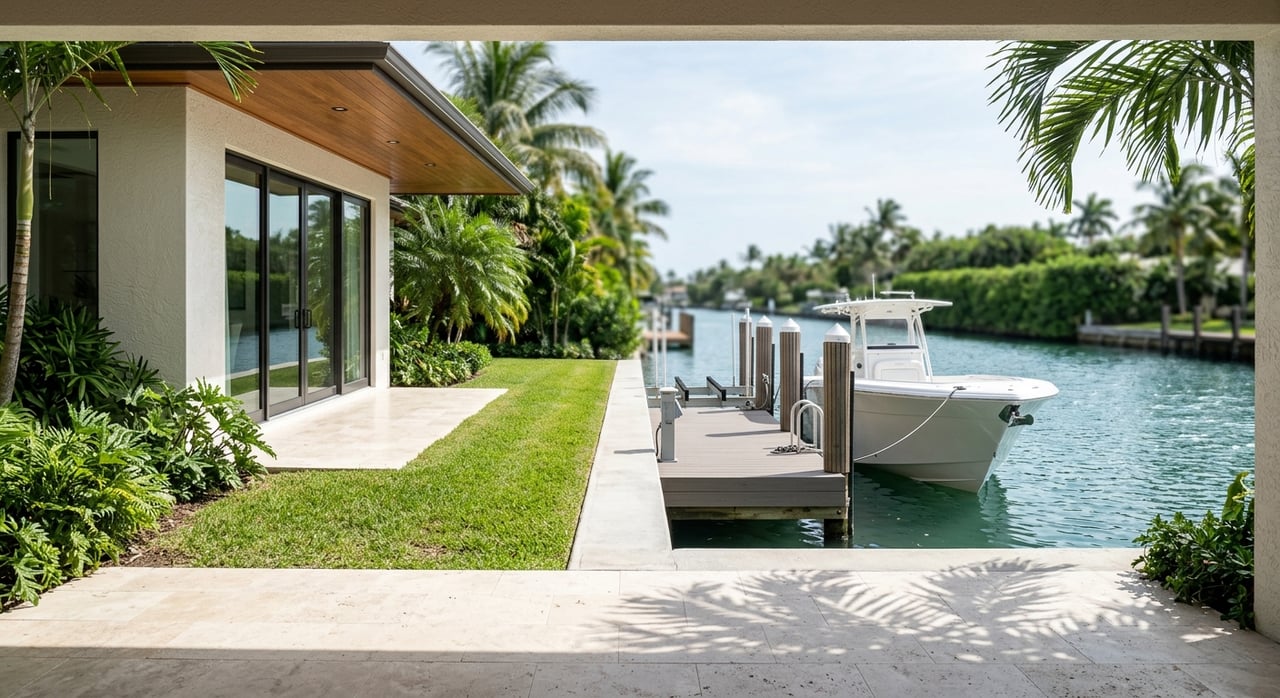
One recent listing highlighted 75 feet of water frontage and noted a one-fixed-bridge-to-bay restriction of 10 feet at high tide. That kind of detail shows why a beautiful waterfront home still needs boating-specific verification. The waterfront photo may be the hook, but the route is what determines real usability.
Docks, Lifts, and Seawalls Need Review
If you are buying a waterfront home, you are not just buying the house. You may also be taking on an existing dock, lift, seawall, or planning future improvements. In Miami-Dade County, environmental permits may be required before construction or modification of features such as a dock or pier.
The county says Class I permits are required for work in tidal waters or coastal wetlands. It also says Class III permits apply to construction in non-tidal canals or county-controlled canal areas.
Florida DEP adds another layer. The agency states that sovereign submerged lands include tidally influenced waters and other lands waterward of the mean high water line, and proposed work in those waters may require both regulatory and proprietary authorization.
The short version is that dock or seawall work may involve more than a standard building permit. If a property already has marine improvements, you should confirm what exists, whether it was permitted, and what may be required if you want to change it.
Nearby Marine Services Add Convenience
A local resource many boaters will note is Keystone Point Marina at 1950 NE 135th Street. The marina says it is moments from Biscayne Bay and the Intracoastal Waterway and offers a fuel station and boat-rack storage.
For buyers who want a boating-centered lifestyle, access to nearby marine services can be part of the appeal. Even if your home has a dock, having support services close by can make ownership easier.
What to Ask Before Making an Offer
If you are serious about buying a waterfront home in Keystone Point, these are the questions worth asking early:
- Which channel serves this lot?
- Is there a fixed bridge on the route to open water?
- What is the clearance at high tide?
- What is the canal depth at low water?
- Does the route have any shallow points or unmarked sections?
- Were the existing dock, lift, or seawall properly permitted?
- Are there any known restrictions that could affect the current boat owner’s use?
These questions can help you separate a home that looks like a boating property from one that truly works for your needs.
What Buyers Often Love About the Homes
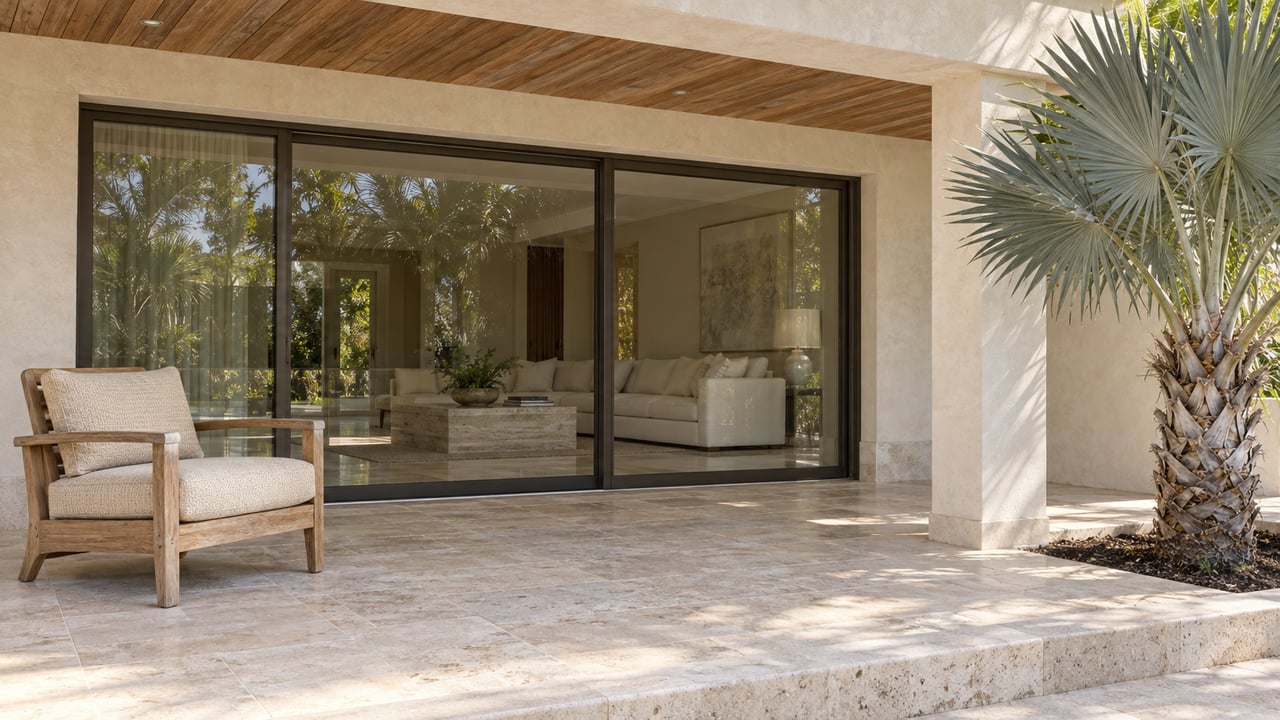
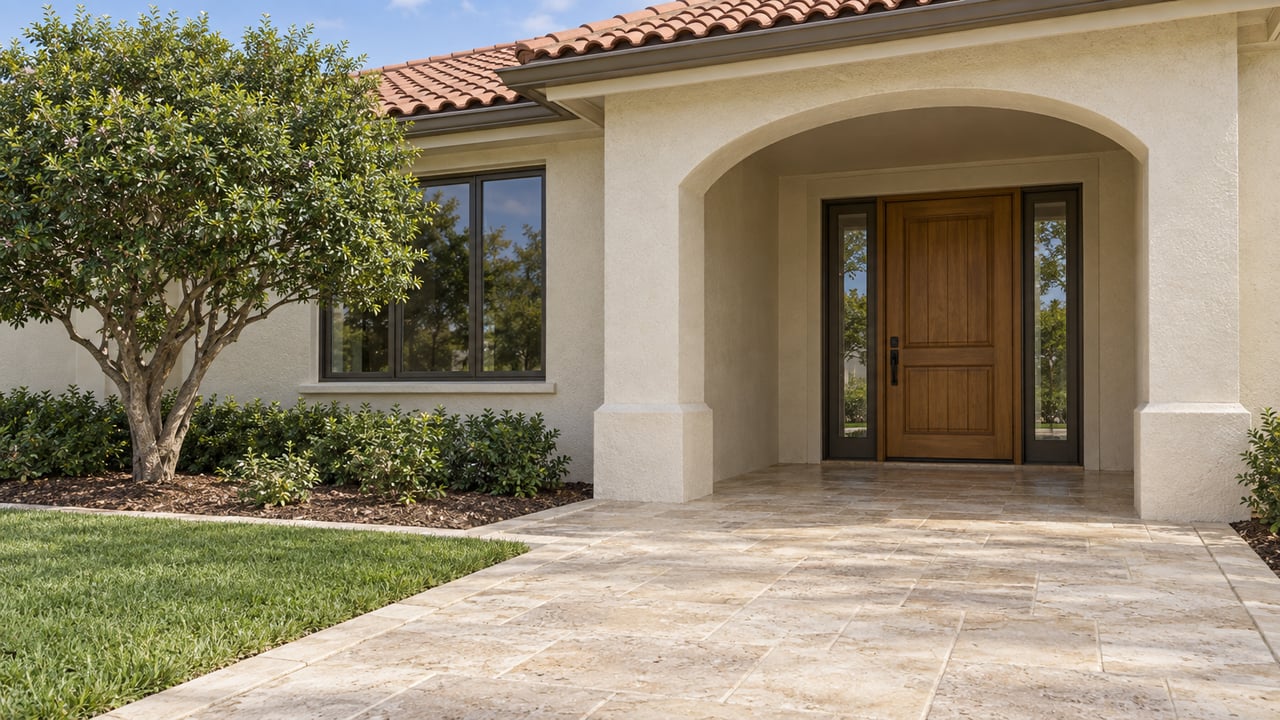
Beyond the boating angle, Keystone Point homes often reflect the indoor-outdoor lifestyle many buyers want in North Miami. Recent listing examples have included renovated single-family homes with open floor plans, tile or marble floors, impact windows and doors, pools, Florida rooms, garages, and larger lots.
That means the appeal here is not only about getting to the bay. It is also about living in a neighborhood where waterfront settings, private outdoor space, and single-family living come together in a way many buyers find hard to replicate.
Why Local Guidance Matters
Keystone Point rewards buyers who pay attention to detail. The neighborhood offers a real waterfront lifestyle, but it is highly specific by lot, channel, and route.
That is where local guidance can make a big difference. When you understand both the lifestyle appeal and the practical boating realities, you can shop with more confidence and avoid surprises after closing.
If you are exploring waterfront homes in Keystone Point or planning a move in North Miami, Kendra Campbell Borja offers the kind of hands-on, local guidance that helps you look beyond the listing photos and focus on what truly fits your goals.
FAQs
What makes boating access in Keystone Point unique?
- Boating access in Keystone Point is highly route-specific because canal depth, channel conditions, tides, and bridge clearances can vary by subdivision and by individual property.
What should buyers ask about a Keystone Point waterfront lot?
- Buyers should ask which channel serves the lot, whether any fixed bridge affects the route, what the high-tide clearance is, how deep the canal is at low water, and whether the existing dock or lift was permitted.
Are all Keystone Point waterfront homes suitable for larger boats?
- No. The neighborhood association notes that boats drawing more than 4 feet have very limited access, so larger or deeper-draft vessels may not fit every property.
Do dock or seawall projects in Keystone Point need permits?
- Yes, they may. Miami-Dade County says certain dock or pier work can require environmental permits, and Florida DEP says work in tidally influenced waters may require additional authorization.
Is Keystone Point more of a boating neighborhood or a resort-style district?
- Keystone Point is better understood as a gated, single-family residential boating community with a strong waterfront identity rather than a resort-style condo district.