Most homeowners think value is decided the moment a home hits the market. Pricing, staging, photography, timing, those all matter. But in reality, the biggest financial gains or losses usually happen years before a property is listed.
Working with homeowners throughout Miami’s Upper East Side, I consistently see three decisions that quietly add, or subtract, hundreds of thousands of dollars in long term value. Surprisingly, none of them involve chasing trends or overspending on luxury finishes.
They come down to foresight.
1. Renovating Without a Long Term Layout Strategy
Most renovations begin with good intentions. A new kitchen. A refreshed bathroom. Updated finishes. But value is not determined by what you renovate, it is determined by how the home ultimately lives.
I often see homeowners invest heavily in premium materials while overlooking flow. Awkward transitions between rooms, closed off common areas, or bedrooms designed for only one life stage quietly limit buyer demand. A beautifully renovated home with poor functionality rarely commands top value.
The homes that perform best, both emotionally and financially, are guided by a long term vision. Layouts that adapt to growing families, remote work, or future resale consistently attract stronger buyer pools. Flexibility builds value. Permanence in the wrong places limits it.
The smartest homeowners ask one simple question before renovating: How will this home function five, ten, or fifteen years from now?
2. Misunderstanding the Lot
In the Upper East Side, land is often the most valuable asset, and the most overlooked.
Some homeowners underutilize their property, leaving outdoor living, privacy enhancements, and landscaping potential untapped. Others go the opposite direction, maximizing interior square footage while sacrificing light, green space, and breathing room.
Both can quietly reduce value.
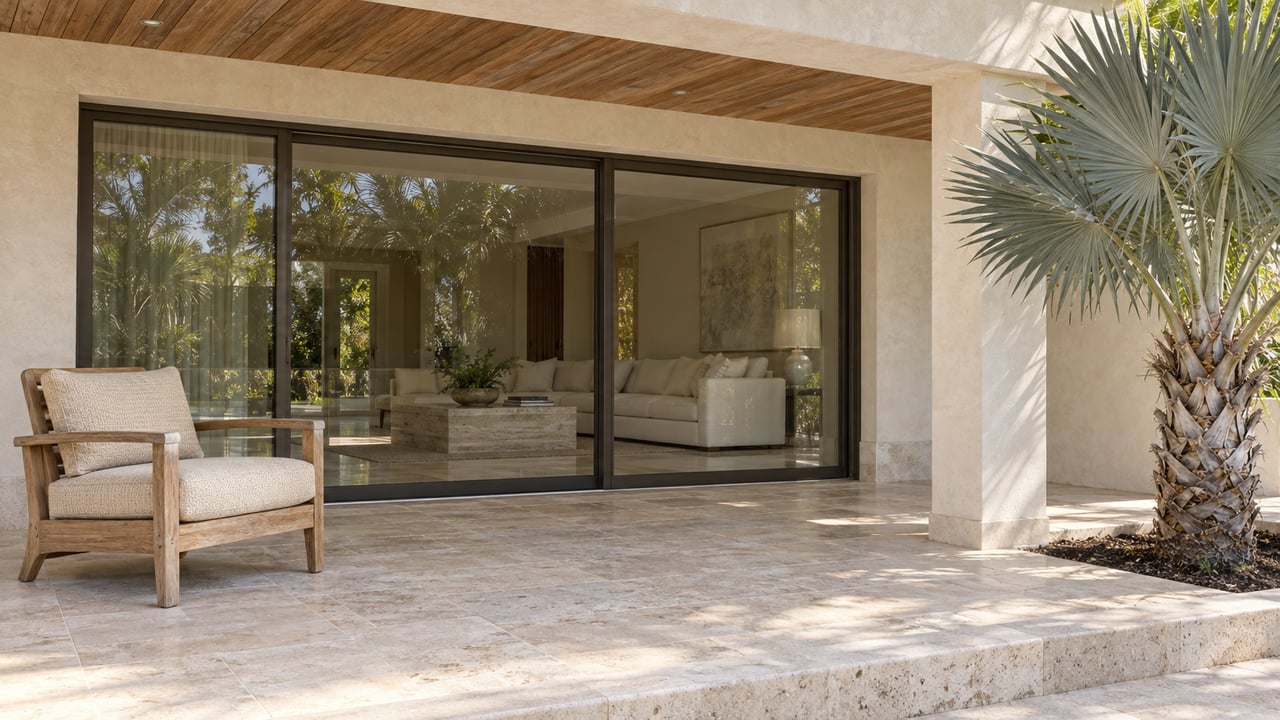
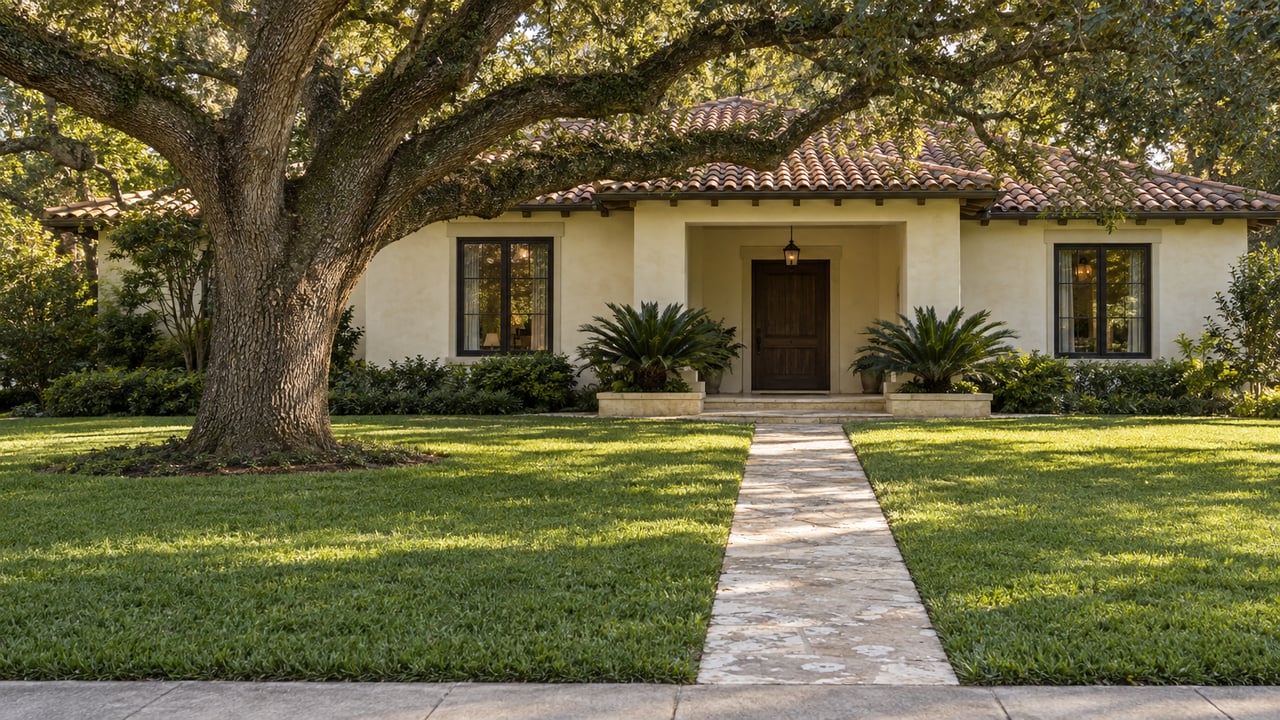
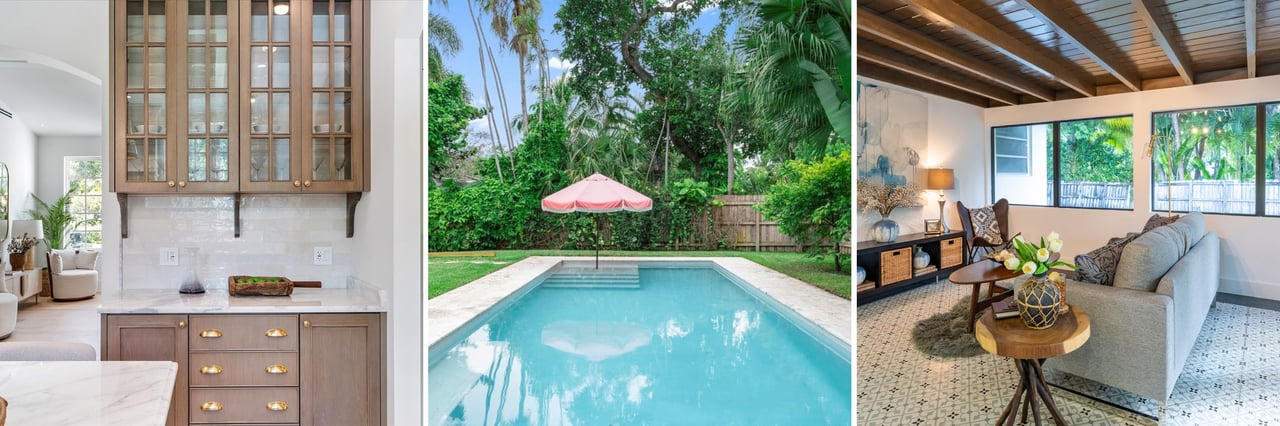
Today’s buyers care deeply about how a property feels, not just how large it is. Homes that balance structure and land, where the house complements the lot instead of overpowering it, consistently outperform. Thoughtful outdoor spaces have become a defining element of modern luxury.
Lot decisions are also some of the hardest to reverse. A strong site plan can build equity for decades. A rushed one can limit appeal just as long.
3. Customizing Without Thinking About the Next Owner
Personalization is one of the best parts of owning a home. Extreme customization, however, can shrink future buyer demand.
Ultra specific layouts, bold permanent finishes, or lifestyle driven features can reduce buyer confidence. This does not always lower sale price immediately, but it often leads to fewer offers, longer market time, and more negotiation leverage for buyers.
The homes that hold value best strike a balance. They show personality without removing flexibility. Neutral does not mean boring, it means adaptable. Character can exist without permanence.
Designing with the understanding that someone else may live there one day protects both emotional and financial equity.
The Quiet Truth About Real Estate Value
The biggest financial wins in real estate rarely come from flashy upgrades or perfect timing. They come from clarity, decisions made intentionally, patiently, and with long term perspective.
Whether selling in two years or twenty, these three choices often determine whether a home simply sells or truly performs.
Because equity is never created at the closing table.
It is built, decision by decision, long before the sign ever goes up.