Thinking about buying a condo in Edgewater? It is easy to fall for the bay views, sleek towers, and walkable feel, but the smartest buyers look past the lobby and into the numbers, documents, and long-term building health. If you want to make a confident purchase in this fast-changing Miami neighborhood, you need to understand how views, reserves, inspections, and future development can affect both your lifestyle and your resale potential. Let’s dive in.
Edgewater Is More Than a Waterfront Address
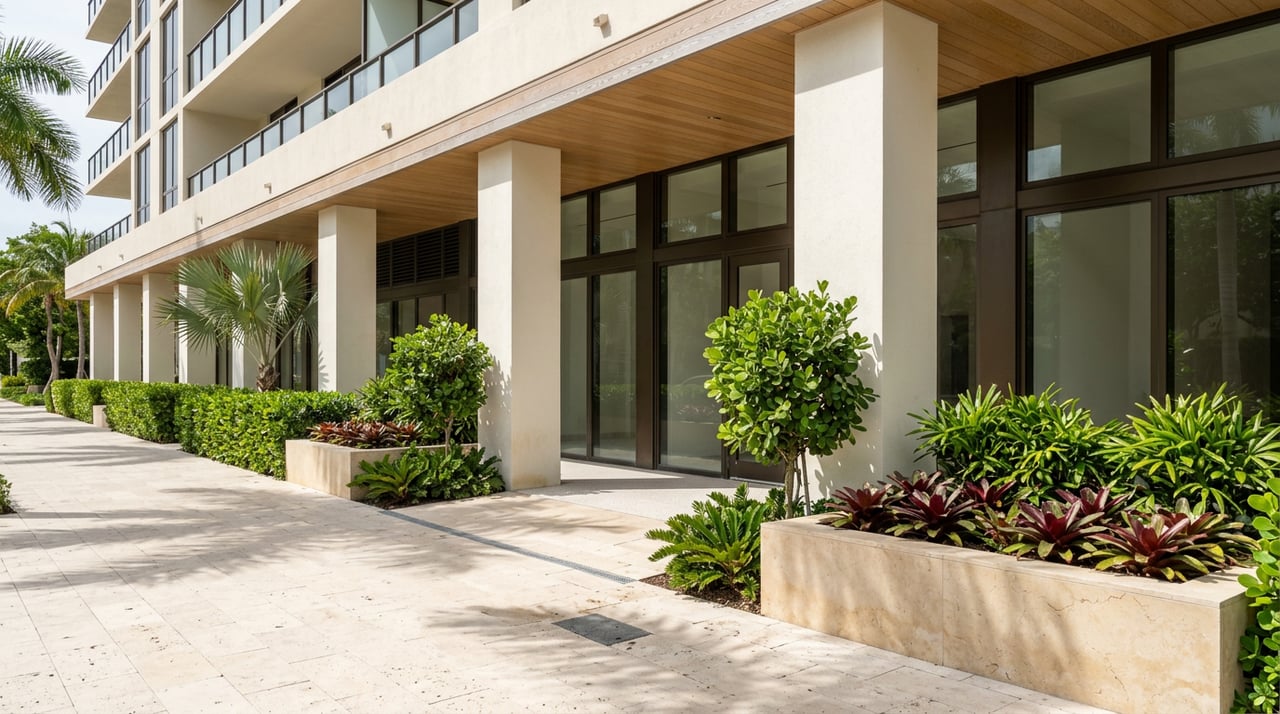
Edgewater sits east of Biscayne Boulevard along Biscayne Bay, and the neighborhood is known for its mix of residential towers, mid-rise buildings, and mixed-use development. That makes it appealing if you want an urban condo lifestyle with water access and close proximity to the bay.
It also means you are buying into a dense, evolving condo market. In Edgewater, the value of a unit can depend heavily on its floor height, building position, and what may eventually rise on nearby sites. South Edgewater has seen major growth, and the skyline is still changing.
One of the neighborhood’s biggest lifestyle draws is Margaret Pace Park, which sits on Biscayne Bay in the heart of the condo cluster. For many buyers, the combination of park frontage, bay exposure, and open views toward the Venetian Islands and Miami Beach adds real appeal. In practical terms, that can influence demand from both future buyers and current residents.
Condo Age Matters, But Records Matter More
When buyers compare older towers and newer towers in Edgewater, the conversation often starts with finishes and amenities. In reality, the more important comparison is how well the association has maintained the building and documented its financial and structural condition.
Under Florida law, condo buildings that are three habitable stories or higher must complete milestone inspections by the end of the year they reach 30 years of age, or 25 years if they are within 3 miles of the coastline. After that, inspections repeat every 10 years. Florida also requires a structural integrity reserve study, known as a SIRS, at least every 10 years after condominium creation for buildings that meet the same height threshold.
That matters in Edgewater because many buildings are near the bay, where long-term maintenance planning is especially important. A newer building may have higher monthly costs but lower immediate repair risk, while an older building may look attractive on price yet carry bigger long-term expenses if reserves are weak or repairs have been delayed.
What the SIRS Tells You
A SIRS can give you one of the clearest windows into a building’s future costs. Florida requires this study to address key building systems such as the roof, structural elements, fireproofing and fire protection, plumbing, electrical systems, waterproofing and exterior painting, and windows and exterior doors.
For you as a buyer, this is where condo due diligence becomes very real. If the study shows major components nearing the end of their useful life, you may face higher monthly fees, special assessments, or both. A beautiful unit does not always mean a healthy building.
Monthly Fees Need Context
A low HOA fee can look appealing at first glance, but it does not always mean better value. Florida law requires reserve accounts for capital expenditures and deferred maintenance, including items like roof replacement, building painting, and pavement resurfacing.
Associations also must maintain adequate property insurance and obtain replacement cost appraisals at least every three years. That means your monthly fee should be evaluated alongside the reserve funding plan, insurance structure, deductibles, and any history of special assessments. In many cases, a higher fee in a well-run building may be less risky than a lower fee in one that has underfunded reserves.
View Value in Edgewater Is Highly Specific
Bay views are a major reason many buyers focus on Edgewater, but not every water view carries the same value. Research shows that view premiums exist, yet they vary based on quality, openness, and market conditions.
In Edgewater, the best view lines are usually shaped by several factors:
- Floor height
- Direction of exposure
- Corner versus interior line
- Balcony usability
- Distance from neighboring buildings
- Risk of future construction blocking the sightline
A unit with a broad open view across Biscayne Bay may attract stronger buyer interest than a unit with only a partial glimpse of water between buildings. Views facing Margaret Pace Park can be especially attractive because of the open bayfront setting, but even then, you should ask whether that sightline is likely to stay open over time.
Future Development Can Affect Your Purchase
One of the most important things to understand about Edgewater is that it is still evolving. The neighborhood is not a fully built-out, static market. That can create opportunity, but it also means today’s view may not be tomorrow’s view.
Before you buy, it is worth thinking beyond the current listing photos. A great line in a tower today may face future competition from nearby development, especially in a dense bayfront area. In Edgewater, some of the strongest long-term view positions are not just the prettiest now, but the least likely to be obstructed later.
Flood and Resilience Work Should Be Part of Your Review
Buying near the bay comes with benefits, but it also means paying attention to infrastructure and resilience. The City of Miami lists an Edgewater Neighborhood Flood Improvements project scheduled to begin construction in July 2026 and end in November 2027.
The city also lists a separate Edgewater seawall replacement project covering 1,090 properties and estimating $1 billion in protected property value. For you, this means flood planning and coastal improvements are not background issues. They are active parts of the neighborhood’s current and future condition.
This does not automatically make condo ownership in Edgewater a negative. It simply means you should factor in construction timing, potential disruption, and the broader reality of coastal maintenance when comparing buildings and locations.
What Condo Documents To Request
Florida gives condo buyers a strong review process, and you should use it. For a resale purchase, you are entitled to receive important association documents at the seller’s expense, including governing documents, the annual financial statement and annual budget, the FAQ sheet, the inspector-prepared summary of any milestone inspection report, and the most recent SIRS or a statement that no SIRS has been completed.
Florida law also gives buyers a 7-day cancellation right after receiving the required documents. That window matters because it gives you time to evaluate not just the unit, but the building behind it.
Here are some of the most useful records to review:
- Annual budget
- Current financial statement
- Declaration, bylaws, and rules
- Milestone inspection summary
- Most recent SIRS
- Board meeting minutes
- Major repair contracts
- Insurance details and deductibles
- Any notice of special assessments
Questions That Can Save You Money
The right condo questions are often simple and practical. You want to know whether the building has planned responsibly for the future and whether any hidden costs may be coming.
As you review a building, focus on questions like these:
- Is the reserve fund adequately funded?
- Has the board discussed special assessments?
- Are major repairs underway or pending?
- Do the meeting minutes show repeated delays on maintenance?
- Are insurance deductibles unusually high?
- Is there a documented history of inspections or remediation work?
- What rules apply to rentals, pets, parking, storage, or renovations?
These questions matter in every condo purchase, but they are especially important in Edgewater because the neighborhood includes both older towers that may need significant recapitalization and newer towers with different cost structures.
Resale Potential Depends on More Than Location
Edgewater has strong long-term appeal because of its bayfront setting, urban lifestyle, and ongoing public investment. Those are meaningful advantages if you are thinking about future resale.
Still, resale potential is tied just as much to the building as to the neighborhood. A condo in a financially strong association with transparent records and solid maintenance planning may be easier to finance and sell than a similar unit in a weaker building.
That is why smart buyers in Edgewater look at both the lifestyle and the paperwork. The view, amenities, and location can draw you in, but the budget, reserves, inspections, and governance are what help protect your investment over time.
If you are considering a condo in Edgewater, taking a careful, building-by-building approach can help you avoid surprises and buy with more confidence. And if you want local guidance on how to compare buildings, review red flags, and weigh resale potential in Miami’s condo market, Kendra Campbell Borja offers hands-on buyer representation with a thoughtful, detail-driven approach.
FAQs
What should you review before buying a condo in Edgewater Miami?
- You should review the budget, financial statements, condo rules, milestone inspection summary, reserve study, board minutes, insurance details, and any history of special assessments or major repairs.
Why do condo reserves matter in Edgewater Miami buildings?
- Reserves matter because they help fund future repairs and deferred maintenance, which can affect your monthly costs, your risk of special assessments, and the building’s long-term financial stability.
How important are bay views when buying an Edgewater condo?
- Bay views can add value, but the quality of the view, the floor height, the unit’s exposure, and the risk of future obstruction are often more important than simply having a water-facing unit.
Are older Edgewater condo buildings always a worse choice?
- No. An older building may still be a strong option if the association has solid reserves, clear inspection records, and a history of responsible maintenance.
What flood or resilience issues should condo buyers consider in Edgewater Miami?
- You should consider the area’s ongoing flood improvement and seawall projects, along with how a specific building addresses coastal maintenance, insurance, and long-term resilience planning.