Looking for a Miami-area address that feels connected, walkable, and waterfront-oriented without centering every day around the beach? Bay Harbor Islands offers a different kind of South Florida lifestyle, one built around a compact town layout, local parks, nearby culture, and an easy rhythm that feels more residential than resort-like. If you want to understand what daily life here really looks like, this guide will walk you through the setting, amenities, housing patterns, and routines that shape life beyond the shoreline. Let’s dive in.
Bay Harbor Islands at a Glance
Bay Harbor Islands is a very small bayfront town made up of two islands and covers less than half a square mile. Even with its small footprint, it supports a full everyday framework that includes homes, local businesses, civic buildings, parks, and community spaces.
The town’s layout helps explain its feel. According to the town’s history and visitor information, the West Island is single-family only, while the East Island contains multifamily housing along with the business district, Town Hall, police headquarters, school, and community center and library. That split gives the community a distinct neighborhood-scale identity.
Recent Census estimates put the population at 6,021 in 2025. That relatively steady, year-round base supports a lifestyle that feels lived-in and local, rather than seasonal or purely visitor-driven.
Daily Life Centers on Kane Concourse
If you want to picture the everyday heart of Bay Harbor Islands, start with Kane Concourse on 96th Street. The town describes it as a two-block business district with shopping, dining, professional offices, and art.
This stretch helps anchor daily routines. You can think of it as the place where errands, coffee runs, meals out, and casual meetups naturally come together in a compact setting.
Kane Concourse also adds a visual layer that makes the town feel more curated than purely functional. Public art includes Robert Indiana’s “Love” sculpture and Romero Britto’s “For You,” which gives the streetscape a recognizable local personality.
A Small Town With a Local Calendar
One of the clearest signs of everyday community life is whether a place has events people actually show up for. In Bay Harbor Islands, the annual Arts Festival on Kane Concourse adds that kind of energy.
The town describes the festival as free and pet-friendly, with artists, live music, and family activities. For residents, that means the area is not simply a quiet place between beach trips. It has its own rhythm and gathering points throughout the year.
That matters if you are looking for a place that feels active without feeling overwhelming. In Bay Harbor Islands, community life appears in smaller, more local ways.
Parks and Outdoor Time Close to Home
Bay Harbor Islands offers outdoor amenities that fit the scale of the town. Instead of large destination parks, you will find neighborhood-focused spaces that support day-to-day use.
The town lists several parks and facilities, including 92nd Street Park, 95th Street Park, the Bay Harbor Islands Tot Lot, Bay Harbor Terrace, and the BHI Tennis Courts. Amenities include benches, dog runs, picnic tables, a playground, a pavilion, and tennis.
For many residents, that setup makes outdoor time easier to fit into a regular day. You do not need to plan a major outing to enjoy fresh air, a short walk, or time at the playground or courts.
Waterfront Living Is Part of the Routine
In Bay Harbor Islands, the water is not just scenery. It also shapes how you think about the town and how you live in it.
The town notes that it lies entirely in a special flood hazard area and is surrounded by Biscayne Bay. That means the waterfront setting is part of daily planning as well as daily enjoyment.
From a lifestyle perspective, this creates a very South Florida balance. You get the beauty and atmosphere of a bayfront environment, while also understanding that waterfront living comes with practical considerations.
Nearby Waterfront Options Expand Your Weekends
Even though Bay Harbor Islands keeps its own amenities relatively neighborhood-scaled, nearby destinations broaden your choices. That is part of what makes the area appealing.
Bal Harbour Waterfront Park adds a public dock with kayak launch, an Intracoastal-facing deck, a walking path, landscaped lawn and Zen Garden, splash pad, basketball court, exercise stations, and seating. It gives you another easy way to spend time outdoors near the water without needing a resort setting.
Haulover Park offers even more active waterfront uses, including a large marina, boat ramps, fishing access, and dog-friendly beach areas. If you enjoy boating, paddling, fishing, or more open recreational space, these nearby options add real convenience.
Miami Beach’s Beachwalk also expands the local lifestyle picture. The nine-mile ADA-accessible oceanfront promenade connects Miami Beach to Surfside and Bal Harbour, making it a useful option for walking, jogging, or simply spending time by the ocean.
Shopping and Dining Beyond the Islands
For larger retail and dining outings, Bal Harbour Shops is the most obvious nearby destination. Its official description highlights designer boutiques, department stores, and restaurants in a tropical garden setting.
Anchors such as Neiman Marcus and Saks Fifth Avenue make it a regional draw, but for Bay Harbor Islands residents, the key point is proximity. You can live in a smaller, more residential town while staying close to one of the area’s most recognized shopping and dining destinations.
That balance often appeals to buyers who want access without constant intensity. Bay Harbor Islands gives you a more contained home base while keeping bigger options nearby.
Culture Is Close, Even if Town Stays Quiet
Another advantage of Bay Harbor Islands is that cultural access extends beyond its borders. You are not relying only on what is inside the town itself.
In nearby Miami Beach, The Bass describes its exhibition program as one that incorporates contemporary art, design, fashion, and architecture. New World Symphony describes the New World Center as its state-of-the-art campus and musical laboratory.
For everyday life, this means you can enjoy a quieter residential setting while staying connected to a larger arts and performance corridor. It is a practical benefit for people who value variety in how they spend evenings and weekends.
Housing Patterns Shape the Feel
Bay Harbor Islands has a clear housing split, and that influences the lifestyle experience from block to block. The town’s history states that the West Island is single-family only, while the East Island is associated with multifamily living.
In practical terms, that means the East Island may feel more tied to condo and association-managed routines, while the West Island reflects a lower-density, house-based setting. This is not just a planning note. It can affect everything from traffic patterns and parking expectations to how private or active a street feels.
Census data adds more context. The owner-occupied housing rate was 48.9%, the median owner-occupied home value was $653,500, and the median gross rent was $2,442.
Those numbers suggest a mix of ownership and rental living rather than a one-format housing market. For buyers and sellers, that mix can be important when comparing property types and understanding what kind of lifestyle each side of town may support.
Bay Harbor Islands Feels Stable Year-Round
Some coastal communities can feel heavily seasonal, but Bay Harbor Islands shows signs of consistency. Census data reports that 87.1% of residents were living in the same house one year earlier.
That kind of stability often supports a more predictable day-to-day environment. You may notice it in how local services feel, how often you see familiar faces, and how the town functions outside peak visitor periods.
The Census also reports an average household size of 2.82, with 31.1% of residents under 18 and 15.6% age 65 or older. Those figures point to a multigenerational residential base rather than a one-dimensional population profile.
Commuting Is a Real Part of Life Here
As compact as Bay Harbor Islands feels, it is still tied closely to causeway access and regional movement. The town says the Shepard Broad Causeway opened in 1951 and now carries more than 20,000 vehicles per day.
That makes the mainland connection a regular part of daily life. If you live here, bridge traffic and route timing are simply part of the local routine.
The town also shifted to Ride Freebee on-demand service in 2024, adding another transportation option. Census data reports a mean travel time to work of 30.6 minutes, which reinforces the idea that Bay Harbor Islands is compact and residential, but still very much connected to the broader Miami area.
Who Bay Harbor Islands May Appeal To
Bay Harbor Islands can make sense for several types of buyers and residents. If you want a small-town footprint, easy access to waterfront amenities, and proximity to shopping and culture, it offers a lot in a very compact setting.
It may especially appeal to people who want to be near Miami Beach and Bal Harbour without living in a more tourism-centered environment. The town’s two-island layout, neighborhood parks, and local business core create a more day-to-day residential feel.
It can also appeal to buyers deciding between single-family and multifamily living. Because the town’s layout strongly influences housing patterns, the right fit often depends on the kind of routine and property style you want most.
Why Everyday Life Here Stands Out
What makes Bay Harbor Islands distinct is not one headline attraction. It is the way several smaller strengths work together.
You have a compact local center on Kane Concourse, neighborhood parks, visible public art, annual events, nearby waterfront recreation, and close access to shopping and culture. Add in the bayfront setting and a relatively stable residential base, and the result is a community that feels practical, connected, and distinctly local.
If you are exploring where to live in North Miami-Dade’s coastal area, Bay Harbor Islands is worth looking at for what happens between the beach days. That is often where the real lifestyle picture comes into focus.
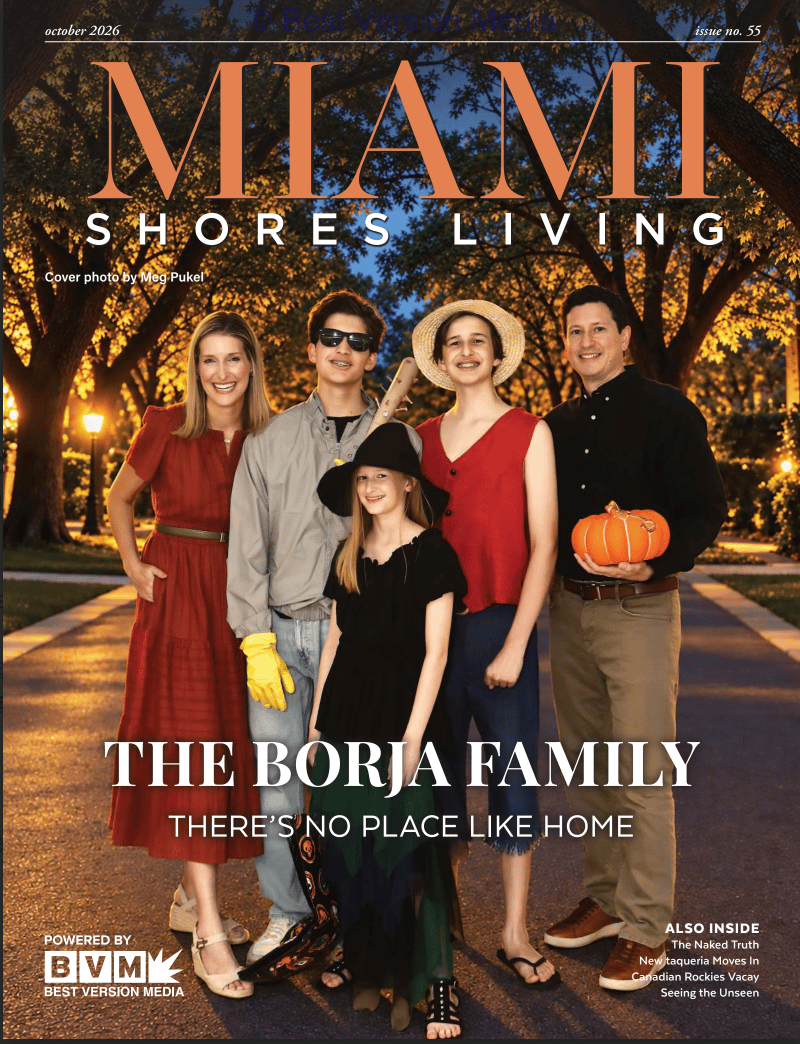
If you are thinking about buying or selling in Bay Harbor Islands or nearby North Miami communities, Kendra Campbell Borja offers hands-on guidance, local insight, and polished marketing support tailored to your goals.
FAQs
What is everyday life like in Bay Harbor Islands?
- Everyday life in Bay Harbor Islands is centered on a small-town, residential rhythm with local parks, Kane Concourse businesses, public art, nearby waterfront access, and close connections to Bal Harbour and Miami Beach.
What is Kane Concourse in Bay Harbor Islands known for?
- Kane Concourse is known as Bay Harbor Islands’ two-block business district, with shopping, dining, professional offices, and public art that help anchor daily life in town.
Are there parks and outdoor spaces in Bay Harbor Islands?
- Yes. The town lists parks and facilities including 92nd Street Park, 95th Street Park, the Tot Lot, Bay Harbor Terrace, and BHI Tennis Courts, with amenities such as playgrounds, picnic areas, dog runs, and tennis.
How is Bay Harbor Islands laid out for housing?
- The town’s history states that the West Island is single-family only, while the East Island includes multifamily housing and the business district, along with several civic and community uses.
Is Bay Harbor Islands close to shopping and culture?
- Yes. Residents are near Bal Harbour Shops for larger shopping and dining trips, and near Miami Beach cultural destinations such as The Bass and the New World Center.
What should you know about commuting from Bay Harbor Islands?
- Commuting is largely causeway-based, with the Shepard Broad Causeway serving as a key connection. The Census reports a mean travel time to work of 30.6 minutes, and the town also offers Ride Freebee on-demand service.