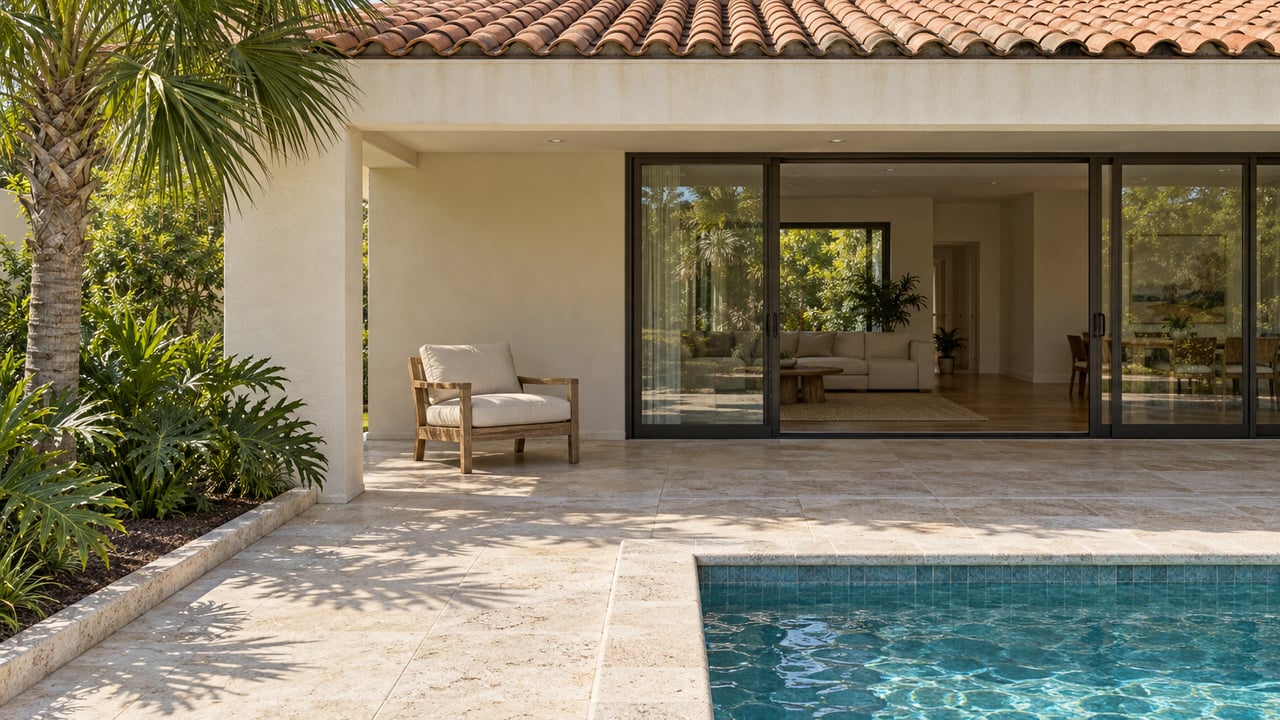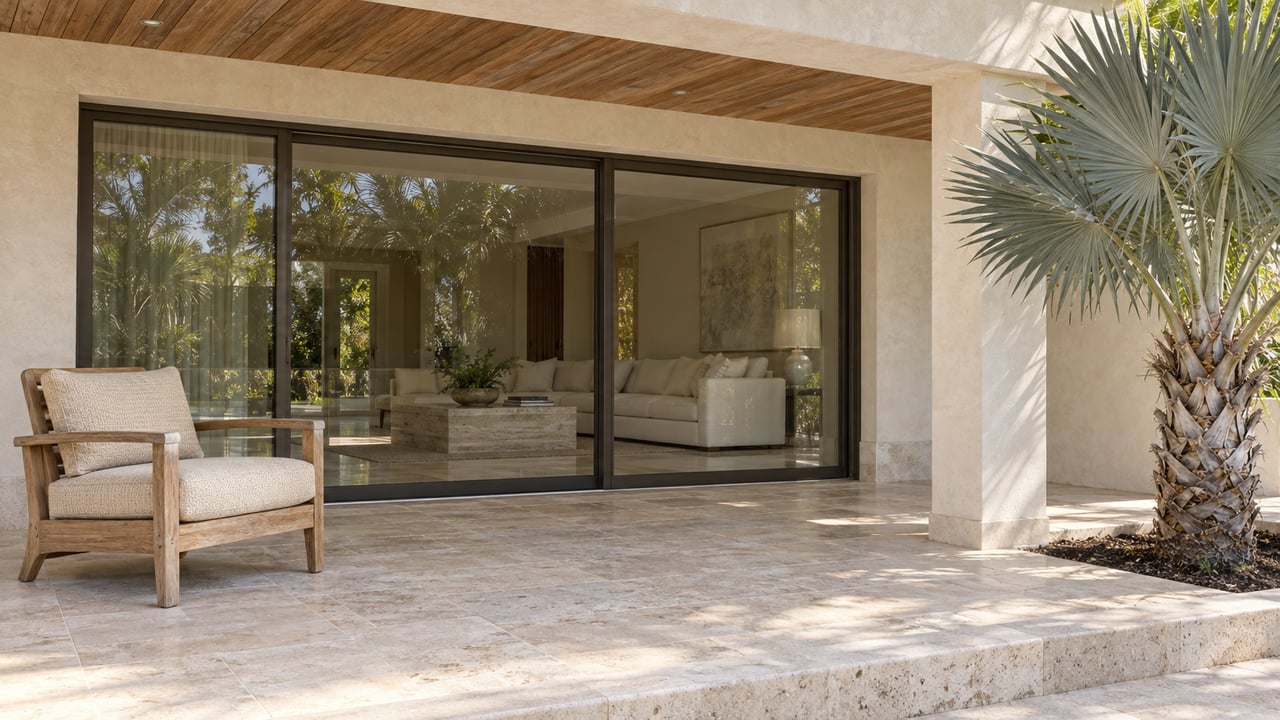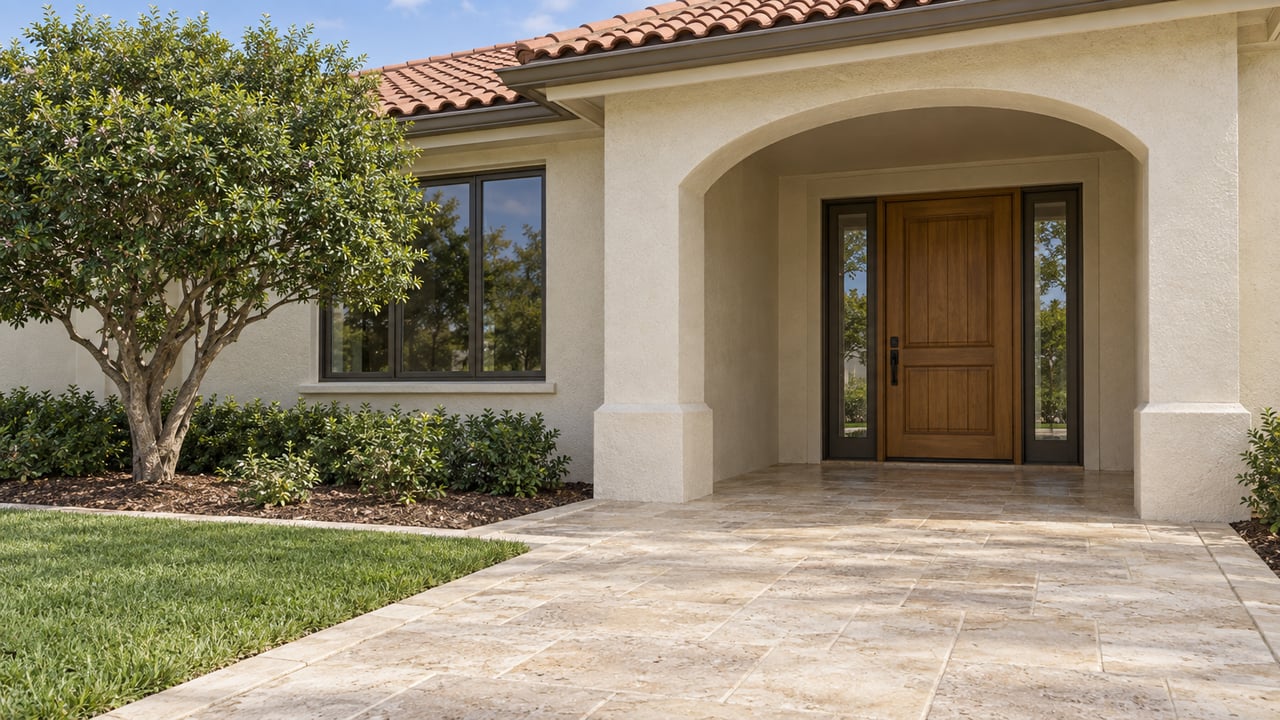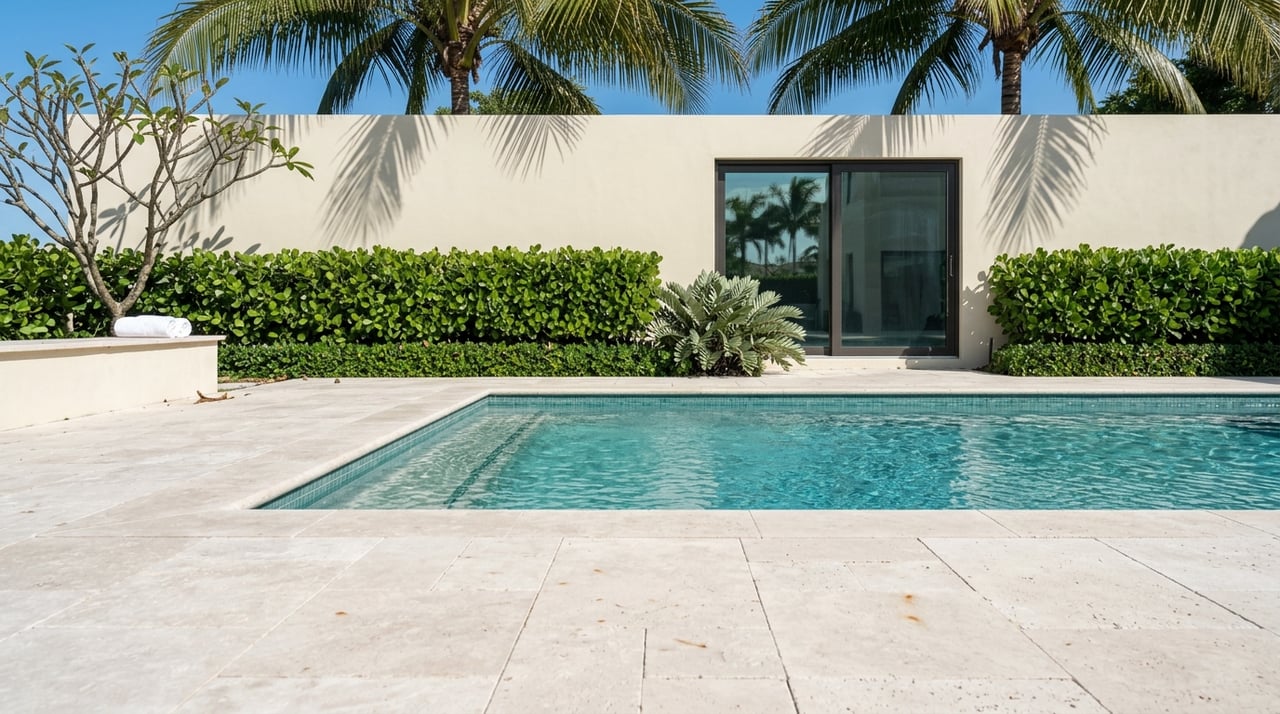
If you are thinking about selling in Keystone Point, the market is not exactly soft, but it is no longer forgiving. Buyers are still active in this premium pocket, yet they are taking their time, negotiating more, and paying close attention to what makes a home feel worth the price. That can feel tricky if you are trying to decide when to list or how much prep to do. The good news is that the recent numbers and sales activity offer a pretty clear message about what is working for sellers right now. Let’s dive in.
Keystone Point Market Snapshot
Keystone Point remains a small, high-end submarket, which means each sale can move the numbers in a noticeable way. In May 2026, Redfin reported a median sale price of $2.37 million, a median of 79 days on market, and a 91.6% sale-to-list ratio, based on just 11 home sales.
That small sample matters. Realtor.com’s May 2026 snapshot showed a $2.9 million median listing price, 87 days on market, and labeled the neighborhood as a buyer’s market. It also reported zero current for-sale houses in that snapshot, which is another reminder that Keystone Point can shift quickly when only a handful of homes are active or closing.
The bigger takeaway is not that the market is weak. It is that Keystone Point is selective. Buyers are still participating, but they are not treating every listing like a must-have property.
Miami-Dade Still Supports Sellers
The broader Miami-Dade single-family market is steadier than Keystone Point’s micro data might suggest. Miami-Dade posted a median sale price of $680,000 in May 2026, up slightly from $674,000 in March.
At the same time, market speed improved countywide. Median time to contract went from 50 days in March to 41 days in May, while median time to sale improved from 86 days to 80 days. Months’ supply also tightened from 5.7 to 5.2, which MIAMI REALTORS says still points to a seller’s market.
For you as a Keystone Point seller, that means the backdrop is still supportive. But in a luxury-leaning neighborhood like this one, your outcome depends less on broad headlines and more on pricing, property type, and presentation.
Waterfront and Non-Waterfront Are Different Markets
One of the clearest shifts for sellers is that not all Keystone Point homes are moving on the same track. Waterfront and non-waterfront homes are attracting different buyer pools, and those buyers are not responding the same way.
Waterfront homes still need pricing discipline
Waterfront homes sit in a different tier, but that does not mean they can ignore market resistance. Recent sales show that premium water access helps, yet buyers still push back when a property enters the market above what they see as justified.
At 13045 Coronado Ter, a waterfront home with 70 feet of waterfront and direct ocean access sold in May 2026 for $4.5 million. It first listed in November 2025 at $5.5 million, later adjusted to $4.999 million, and closed about six months after hitting the market, roughly 10% below the final list price.
At 2055 Keystone Blvd, another waterfront property with 75 feet of water frontage, direct ocean access, and no fixed bridges sold in May 2026 for $2.3739 million. Its listing history stretched from May 2025 to the February 2026 contingent date before the sale posted in May, showing how long price discovery can take even for true waterfront property.
Non-waterfront homes can move fast, but not always at asking
Non-waterfront homes are also seeing mixed results. The faster-moving examples still show that pricing and condition matter just as much as speed.
At 1905 NE 124th St, a three-bedroom, two-bath home with upgrades like hurricane windows, remodeled baths, a generator, and pool patio space sold on June 5, 2026 for $1.125 million. It was listed on May 14 and went pending on May 16, which is fast, but it still closed about 17% under asking.
At 2075 S Hibiscus Dr, a pool home on an oversized corner lot with impact windows and doors, a modern kitchen, and outdoor living took longer. It was listed in January 2026, relisted in February, had a price adjustment in March, and sold on June 30 for $1.35 million.
The pattern is hard to miss. Whether your home is on the water or off, overpricing can lengthen your timeline and widen your discount.
What Buyers Want Right Now
Keystone Point buyers are not just shopping for square footage. They are looking closely at how a property works in real life, especially in a waterfront and climate-conscious market.
Waterfront buyers want usable water features
In public listings, the strongest waterfront selling points keep repeating. Buyers are responding to direct ocean access, no fixed bridges, dock or lift capacity, seawall details, water frontage, and outdoor spaces that support boating and entertaining.
That means water proximity alone may not be enough. In this segment, buyers appear to pay the most for hard-to-replace water assets and homes that already feel updated and functional.
Non-waterfront buyers want comfort and resilience
For non-waterfront homes, practical upgrades are standing out. Listings that highlight impact glass, generators, remodeled baths, updated kitchens, curb appeal, and usable pool or patio areas are speaking directly to what buyers seem to value.
In other words, buyers are often judging the full package. They want comfort, resilience, and move-in-ready living, not just a certain bedroom count.
Cash and Due Diligence Matter More
Cash remains a meaningful part of this market. In May 2026, 27.8% of Miami-Dade single-family transactions were cash, and Miami overall reached 38.7% cash.
For sellers, that can shape the tone of negotiations. You may see more proof-of-funds scrutiny, stronger expectations around property condition, and fewer financing-related concessions than in a lower-priced market.
That does not mean financed buyers disappear. It means serious buyers, whether cash or financed, are likely to come in prepared and expect the same from you.
Climate Risk Is Part of the Sale Story
Keystone Point’s climate-risk profile is likely influencing buyer behavior too. Redfin and First Street label the neighborhood as extreme for flood risk, wind risk, and heat risk.
For sellers, this shifts some features from nice-to-have into must-address territory. Roof age, impact openings, drainage, flood mitigation, and dock or seawall condition are not side notes in buyer conversations. They can affect confidence, inspections, and how smoothly a transaction moves forward.
If you are planning ahead, this is one of the best reasons to start early. The more answers and documentation you can organize before listing, the less friction you may face once buyers begin asking detailed questions.
What Sellers Should Do in the Next 6 to 18 Months
If your sale is still several months away, this market gives you a chance to prepare smartly instead of rushing. A 6 to 18 month runway can help you improve presentation, gather paperwork, and price more strategically when the time comes.
Start with realistic pricing
Pricing should be the headline strategy. Redfin’s Keystone Point snapshot showed homes selling at 91.6% of list, with 0% above list and 26.1% of homes posting price drops.
Countywide, the median percent of original list price received was 95% in both March and May 2026. That tells you buyers are still paying strong prices, but they are not automatically accepting aspirational numbers.
The smartest approach is to price from recent sold comps, not from today’s asking prices alone. In a thin market like Keystone Point, that discipline can make a major difference in your final result.
Prep waterfront homes with documentation
If you own a waterfront home, buyers will likely look beyond finishes. Gather permit records, survey and elevation documents if available, roof-age details, dock and seawall history, impact-window information, and insurance or mitigation paperwork.
This kind of preparation can help remove uncertainty. In a market where buyers are already selective, clarity can support stronger confidence and smoother negotiations.
Focus non-waterfront prep on function and feel
If your home is non-waterfront, the best prep may be simpler. Paint, landscaping, decluttering, minor repairs, staging, professional photography, and a move-in-ready feel can go a long way.
Recent sales suggest that visual polish and practical readiness matter. Buyers want to picture an easy transition, and that starts with how the home shows from day one.
Match your marketing to the buyer pool
Keystone Point is not a broad bidding-war market right now. It is a market where the right home, at the right price, with the right presentation can still attract strong interest.
That is why tailored marketing matters. For some homes, the story centers on boating access and waterfront function. For others, it is about lifestyle, updates, resilience, and indoor-outdoor living.
The Shift in One Sentence
If you want the simplest read on the Keystone Point market, here it is: sellers still have opportunity, but buyers have become more exacting. They are rewarding realistic pricing, strong presentation, and homes that feel ready for today’s expectations.
That can actually work in your favor if you prepare early. When you remove friction before you list, you give yourself a better chance of standing out in a market that is thin, premium, and highly selective.
If you are thinking about selling in Keystone Point and want a strategy built around pricing, presentation, and local buyer behavior, schedule your free seller consultation with Kendra Campbell Borja.
FAQs
How is the Keystone Point market shifting for sellers in 2026?
- Keystone Point appears to be shifting toward a more selective market where buyers are negotiating more, homes are taking around 79 to 87 days on market in recent snapshots, and pricing discipline matters more than it did in a faster-paced environment.
Are waterfront homes in Keystone Point still selling well?
- Waterfront homes still attract strong interest because buyers value features like direct ocean access, no fixed bridges, and dock potential, but recent sales suggest they can still take months to sell if pricing is not aligned with the market.
Are non-waterfront homes in Keystone Point harder to sell?
- Non-waterfront homes can still sell quickly, but recent examples show that buyers are watching value closely and may negotiate well below asking if the price or presentation does not feel right.
What do Keystone Point buyers care about most right now?
- Buyers appear focused on usable lifestyle features, including water functionality for waterfront homes and practical upgrades like impact windows, generators, updated kitchens, remodeled baths, and strong outdoor living for non-waterfront homes.
What should Keystone Point sellers do before listing?
- Sellers should focus on realistic pricing, early home prep, strong visual presentation, and organizing key property documents, especially for waterfront homes where buyers may ask detailed questions about seawalls, docks, permits, and resilience features.
Is Keystone Point a seller’s market or a buyer’s market?
- Keystone Point looks more like a selective buyer-leaning micro-market in recent neighborhood snapshots, while the broader Miami-Dade single-family market remains more supportive for sellers, so your result depends heavily on property type, price, and preparation.