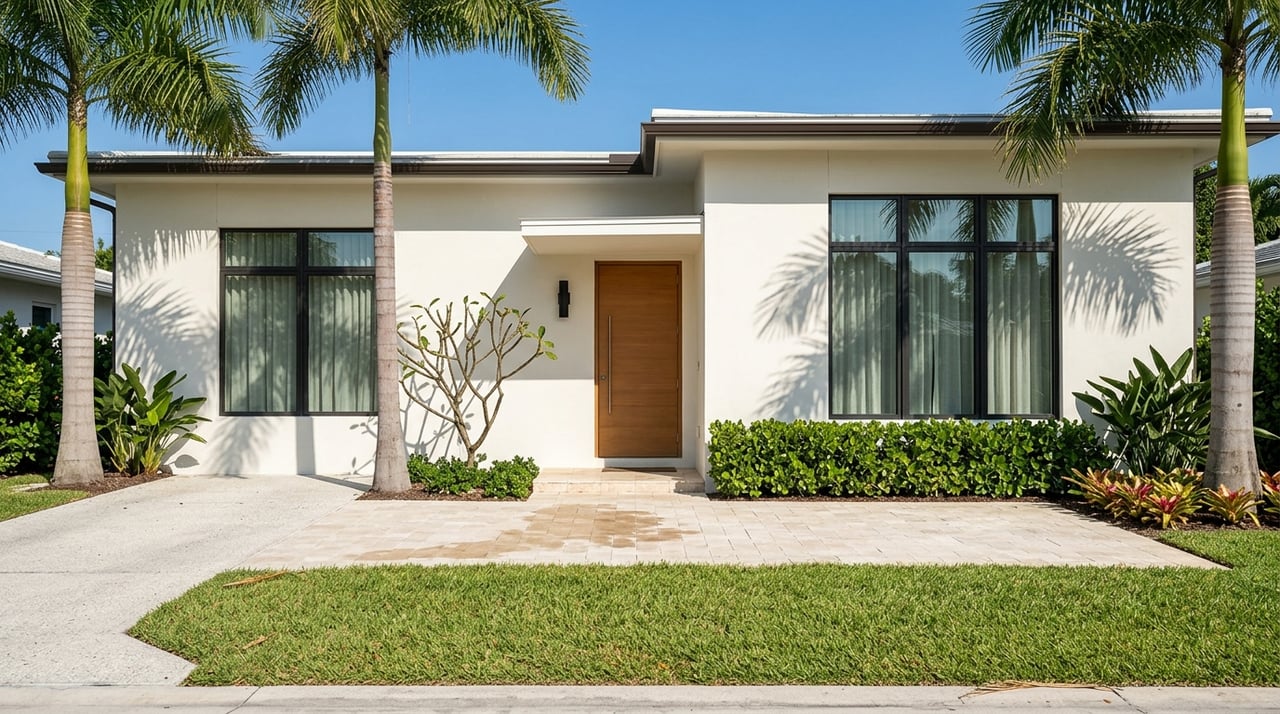
Thinking about buying a single-family home in El Portal? This tiny village has a big appeal, especially if you want a residential setting with yards, older homes, and a location that sits close to several north Miami communities. Because inventory is limited and many homes are older, buying here takes a little more planning than in a larger neighborhood. This guide will help you understand pricing, housing stock, lot patterns, and the key due diligence steps that matter before you make an offer. Let’s dive in.
Why El Portal Stands Out
El Portal is a very small incorporated village in Miami-Dade County with about 0.4 square miles of land area, 1,986 residents, 871 housing units, and 796 households. The housing mix is overwhelmingly single-family, with 747 single-family units compared with 60 multifamily units and 10 mobile-home units. That gives the village a distinctly house-focused feel.
For buyers, that small scale matters. You are not shopping in a large subdivision with constant turnover. You are looking in a limited-inventory market where each listing can feel a little more unique, and where the available homes may vary widely in age, condition, and level of renovation.
El Portal Home Prices at a Glance
In Q4 2025, El Portal’s median single-family sale price was $892,250, and the average sale price was $971,900. The market also posted 17 active listings, 11 new listings, 5 closed sales, 7.8 months of supply, and 58 median days to contract. Those numbers give you a useful starting point for budgeting, but they should be read carefully because the sample size is small.
With only a handful of closed sales, one higher-priced property can shift the average quickly. That is why the median sale price is usually the better baseline for planning your budget. From there, you can adjust based on condition, lot quality, updates, and whether the home has newer systems or documented improvements.
How El Portal Compares Nearby
El Portal sits in an interesting spot within the broader north Miami market. In Q4 2025, its median single-family price was below Miami Shores at $1.305 million and Biscayne Park at $1.078 million, but above Miami-Dade County at $670,000, North Miami at $525,000, and North Miami Beach at $499,495.
That pricing position can be helpful if you want a village-style single-family setting but are comparing several nearby options. El Portal may offer a middle ground for buyers who want a more established residential environment while still staying below some nearby higher-priced village markets.
What Kinds of Homes You’ll Find
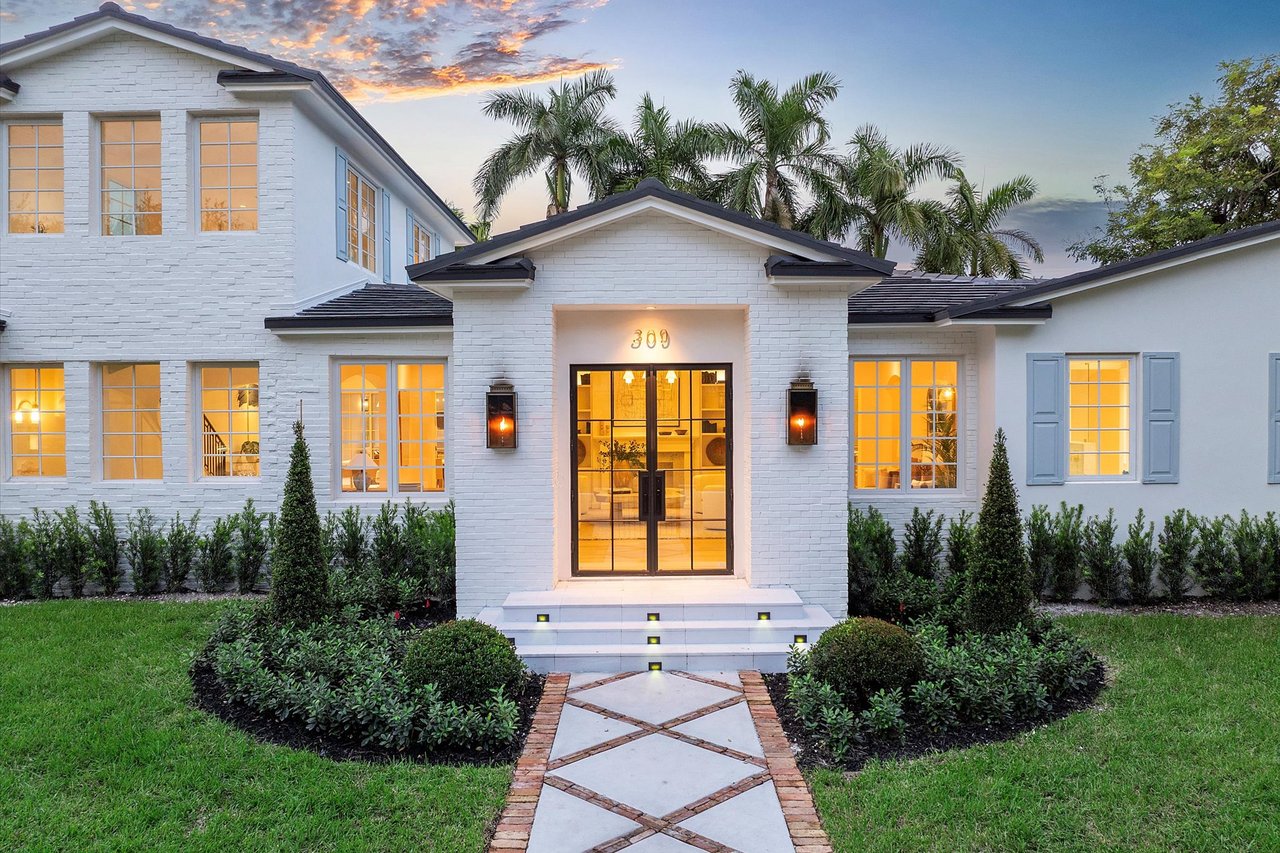
El Portal has an older housing base, and its history reflects that. The village identifies its oldest known house as a circa 1910 frame-vernacular home, and another notable property, the Sherwood Forest House, is described as a circa 1925 Tudor-styled house. That helps explain why buyers can expect a range of architectural character rather than a uniform tract-home look.
The village’s form-based code also reinforces the single-family nature of the area. It contemplates detached single-family houses, cottages, villas, estate houses, and urban villas. In practical terms, that means El Portal is more yard-oriented and low-rise than many more urban parts of Miami-Dade.
What Lot Patterns Mean for Buyers
El Portal’s code gives you a useful sense of what lot patterns typically look like. A single-family residential lot generally must have at least 5,000 square feet of area and 50 feet of width, with a maximum lot coverage of 40%, minimum green space of 25%, and a 25-foot front setback. Corner and side-street lots also require a 15-foot secondary-front setback.
For you as a buyer, those standards often translate into homes with front yards, side yards, and more breathing room around the structure. You may also find more space for landscaping or parking than you would on tighter urban lots. That physical layout is part of what draws many buyers to villages like El Portal.
Expect Condition to Vary
Because the village is small, largely built out, and home to older properties, condition can vary a lot from one listing to the next. You may see fully renovated homes, lightly updated homes, and homes that need substantial cosmetic or systems work. That is especially important to remember if a home looks appealing online but has older infrastructure behind the scenes.
If you want move-in-ready, focus on homes with clear evidence of recent updates and documented work. If you are open to a project, build in extra room for repairs, permits, and timelines. In El Portal, the gap between a polished listing and a property that needs deeper investment can be significant.
Budget Beyond the Purchase Price
The purchase price is only one part of the equation in El Portal. Flood and wind-related costs deserve early attention, especially when you are buying an older home in Miami-Dade County. If you wait until late in the process to explore these items, you may run into avoidable surprises.
Miami-Dade County notes that the area is susceptible to flooding from major rain events and storm surge. Buyers can confirm a property’s flood zone through the county flood-zone lookup or FEMA’s map service center, and flood insurance is required for any federally backed mortgage in a Special Flood Hazard Area. The county also notes that flood policies generally do not take effect until 30 days after purchase, so it is smart to get flood insurance quotes early in the offer process.
Why Flood Information Matters
Flood-zone details can affect both your monthly costs and your future renovation plans. An elevation certificate, if one exists, can help show how high a house sits relative to the flood zone. That can become especially useful if the property is in a designated flood area or if you may remodel later.
Even if a home seems well maintained, you should not assume flood-related paperwork is already organized. Asking for it early can help you compare properties more clearly and avoid delays once you are under contract.
Why Wind Costs Matter Too
Florida’s insurance department says a wind mitigation inspection can identify features that may qualify a homeowner for windstorm premium credits. Miami-Dade’s hurricane mitigation program also focuses on retrofits that help protect homes against hurricane wind forces. For an older El Portal house, that makes roof condition, opening protection, and wind-mitigation documentation financially important.
This does not mean every older home is a problem. It means you should look at insurance readiness as part of your total ownership cost, not as an afterthought. A home with strong documentation may be easier to budget for than one with unknowns.
Inspection Priorities in El Portal
In a market like El Portal, inspections should go beyond the basics. Since many homes are older, you want a clear picture of condition, prior work, and any issues that could affect insurance, renovation plans, or future resale. A careful review upfront can save you money and stress later.
Start by asking for:
- Permit history
- Any available flood-zone determination
- An elevation certificate, if one exists
- Any prior wind-mitigation report
- Documentation for major updates or additions
These records can help you understand whether improvements were properly handled and whether the home may come with extra cost considerations after closing.
Permits and Renovation Planning
El Portal’s building department states that the village uses the Florida Building Code, and permit and inspection questions go through the village building office. That matters if you are thinking about an addition, major renovation, or substantial exterior work. In this village, those projects should be approached with permit timing and inspections in mind.
If you are buying with plans to renovate soon after closing, make sure your budget and timeline reflect that reality. It is better to go in knowing the process may take time than to assume larger projects can be handled casually.
Historic and Archaeological Considerations
Some El Portal properties may come with parcel-specific restrictions tied to historic or archaeological resources. The village history page notes that ground-disturbing work in the El Portal Archaeological Zone requires a Certificate to Dig permit. It also states that external modifications to the designated El Portal House and Sherwood Forest House require a Certificate of Appropriateness.
This will not apply to every property in the village, but it is an important issue to check before you buy, especially if you plan exterior changes, landscaping work, or expansions. A home can still be a great fit, but you want to understand those requirements before you commit.
Best Strategy for El Portal Buyers
The best buying strategy depends on your goals. If you want a smoother path, prioritize homes with updated roofs, solid drainage, documented permits, and available insurance-related paperwork. These details can make ownership more predictable from day one.
If you are renovation-minded, El Portal can still be worth a close look. Just be realistic about the age of the housing stock, the possibility of older systems, and the need to review flood, permit, and parcel-specific restrictions before making an offer.
A small market often rewards preparation. When you understand pricing, lot patterns, and due diligence early, you can act with more confidence when the right home comes up.
If you are exploring El Portal or nearby north Miami villages, Kendra Campbell Borja can help you evaluate homes, compare micro-markets, and navigate the details with a local, hands-on approach.
FAQs
What is the typical single-family home price in El Portal?
- In Q4 2025, the median single-family sale price in El Portal was $892,250, while the average sale price was $971,900.
What kind of housing stock should you expect in El Portal?
- El Portal is primarily a single-family village with an older housing base, so you can expect a mix of renovated homes, lightly updated homes, and homes that may need cosmetic or systems-level work.
What lot sizes are common for El Portal single-family homes?
- Under the village code, a single-family residential lot generally must have at least 5,000 square feet of area and 50 feet of width, along with setback, lot-coverage, and green-space standards.
What flood due diligence should you do when buying an El Portal home?
- You should confirm the property’s flood zone, ask for any available elevation certificate, and get flood insurance quotes early because Miami-Dade notes that flood policies generally do not take effect until 30 days after purchase.
What permits or restrictions should buyers check in El Portal?
- Buyers should review permit history and check whether a parcel falls within the archaeological zone or has historic designation issues that may affect exterior changes or ground-disturbing work.