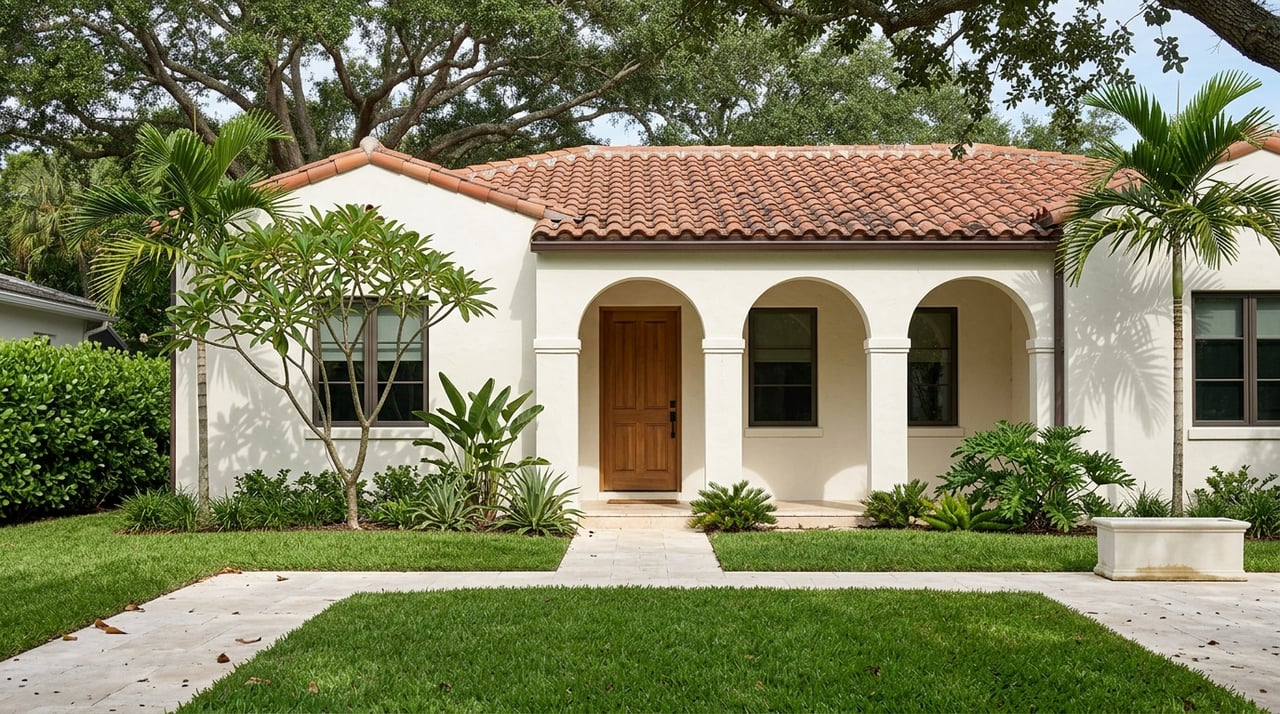
Looking for a Miami-area neighborhood where weekends feel slower, greener, and a little more connected? Biscayne Park stands out for exactly that reason. If you are exploring north Miami communities and want a feel for daily life beyond a listing photo, this guide will show you what weekend living in Biscayne Park actually looks like and why the village’s setting continues to appeal to buyers. Let’s dive in.
Why Biscayne Park Feels Different
Biscayne Park is officially described by the village as a 1931 residential enclave known for crowned tree canopies, landscaped medians, and a distinct diamond-shaped layout formed by the Biscayne Canal and the Florida East Coast Railway. The village also highlights its bird sanctuary status, which helps explain the calm, nature-forward feel many people notice right away.
That setting gives the neighborhood a personality that feels more shaded and residential than busy or commercial. Instead of a dense urban core, you get a small-scale environment shaped by greenery, local gathering spaces, and a strong sense of place.
What Weekends Usually Look Like
If you spent a Saturday or Sunday in Biscayne Park, your day would likely start outdoors. The village’s overall layout and canopy make simple routines like walking, biking, or spending time at the park feel like a central part of the weekend.
The pace here is not built around nonstop activity. It is better described as low-key and community-oriented, with time split between home, recreation, nearby errands, and casual meetups.
Start With Park Time
The Biscayne Park Parks & Recreation department offers a wide range of amenities, including a tot lot, playground, ball field, basketball and pickleball courts, volleyball, racquetball, a bike repair station, butterfly garden, indoor toddler play area, and library. These features support everything from active mornings to easy family outings.
For many residents, that means weekends can stay close to home without feeling limited. Whether you want a place for children to play, space to move around, or a simple outdoor reset, the village provides several options in one community setting.
Community Events Shape the Rhythm
Biscayne Park also hosts year-round programming and signature events through its recreation department. Village-listed events include Halloween Fun Zone, Winter Fest, Movie Night in the Park, and Jazz in the Park.
These events matter because they help define the social rhythm of the neighborhood. Instead of needing to leave the area for every activity, you have recurring local events that bring neighbors together in a familiar setting.
Outdoor Living Beyond the Village
One of the advantages of Biscayne Park is that its quiet residential character is complemented by nearby parks in surrounding communities. That gives you more ways to spend time outdoors without giving up the tucked-away feel of the village itself.
This is especially appealing if you want access to nature, walking trails, and open space as part of your regular routine. In north Miami, that balance can be a meaningful part of lifestyle fit.
Arch Creek Park Nearby
Arch Creek Park in Miami-Dade is a 9-acre park centered around a natural limestone bridge. The park includes a museum, bird and wildlife sanctuary, walking nature trail, educational programs, and shelters available by reservation.
For a weekend outing, this adds a more natural and educational option close to Biscayne Park. It is the kind of nearby destination that works well for a morning walk or a relaxed visit when you want a change of scenery.
Enchanted Forest Elaine Gordon Park
Enchanted Forest Elaine Gordon Park in North Miami offers a different outdoor experience. The 22-acre park includes subtropical plants, tree canopies, butterfly and community gardens, paved walking trails, picnic areas, and horse and petting-zoo features.
Together, these nearby parks reinforce the outdoorsy side of life in and around Biscayne Park. If your ideal weekend includes shade, trails, and casual time outside, the location supports that well.
Coffee, Groceries, and Casual Stops
Because Biscayne Park is primarily residential, most coffee runs, grocery stops, and simple meals happen just outside the village. That is an important part of understanding the lifestyle here. You are not choosing a walk-to-everything commercial district. You are choosing a neighborhood that stays quiet while remaining close to practical conveniences.
For many buyers, that tradeoff is a plus. You can enjoy a calmer home setting while still reaching nearby dining and shopping corridors in a short drive.
Miami Shores Village Place
In nearby Miami Shores, Village Place along NE 2nd Avenue includes restaurants, coffee stops, a market, and other shops, according to local community sources. Examples listed include Tintas y Café, Starbucks Miami Shores, Proper Sausages, and Mima Market.
That makes Miami Shores a natural extension of weekend life for Biscayne Park residents. It is the kind of place where you can grab coffee, pick up a few items, or meet someone for a casual meal without heading far.
North Miami Errands and Dining
Another nearby convenience hub is Colonial Shopping Center in North Miami, anchored by Presidente Supermarket and additional retail and service tenants. This gives residents another practical option for everyday errands.
North Miami is also described by Miami & Miami Beach as a residential community with parks and a wide range of Caribbean and Latin American restaurants. For weekend living, that broadens your nearby dining choices while keeping your home base in a quieter residential setting.
More Services on Biscayne Boulevard
La Fontana Shops in Miami Shores adds another nearby cluster of services and retail on Biscayne Boulevard. Tenants include primary and specialty care, a gym, and a French kitchen.
This supports one of the clearest lifestyle takeaways about Biscayne Park. You may not be in the middle of a commercial district, but you are close to the everyday stops that help make weekends easy.
Historic Character Still Shapes the Experience
Part of Biscayne Park’s appeal comes from how strongly its original planning still shows up today. According to the village history, Arthur Mertlow Griffing’s subdivision was carefully planted with shrubs and trees and laid out with cul-de-sacs, streets, medians, and park areas.
That history helps explain why the neighborhood feels the way it does now. The shade, slower traffic feel, and front-yard-oriented setting are not accidental. They are part of the original design.
Landmarks Add Identity
The village highlights the historic Log Cabin, built around 1933, as one of its civic anchors. The Ed Burke Recreation Center is also presented as a longstanding community gathering place.
These landmarks help give the neighborhood a local identity that goes beyond architecture alone. They connect present-day routines to a longer village story, which can make the area feel grounded and distinct.
A Leafy, Small-Scale Setting
Miami-Dade preservation staff have also documented a Biscayne Park property at 826 NE 121 Street as a Mission Revival residential property connected to the 1920s Biscayne Park Estates subdivision. That record supports the broader point that early-period architecture remains part of the local landscape.
Taken together, Biscayne Park is best understood as leafy, historic, and small-scale. It is not a uniform modern subdivision, and that layered character is part of what many buyers find appealing.
Who Biscayne Park May Appeal To
Biscayne Park can be a strong fit if you want a home setting that feels residential first. Buyers who value canopy streets, outdoor recreation, and a quieter weekend rhythm often respond well to the village’s character.
It may also appeal to people who do not need a dense retail core right outside the front door. If you are comfortable with short drives for coffee, groceries, and dining, the tradeoff can be a more peaceful neighborhood environment.
Why This Matters When You Search for a Home
Neighborhood fit is about more than square footage or finishes. It is also about how your everyday life will feel once the move is over.
In Biscayne Park, the lifestyle story is clear. Weekends tend to center on shade, park time, community events, nearby nature, and simple drives to surrounding shopping and dining areas. If that sounds like the pace you want, it is a neighborhood worth a closer look.
If you are considering Biscayne Park or nearby north Miami neighborhoods, working with someone who understands the differences between each community can help you narrow the search faster and make a more confident decision. For personalized guidance on Biscayne Park, Miami Shores, and surrounding areas, schedule your free seller consultation with Kendra Campbell Borja.
FAQs
What is weekend living like in Biscayne Park?
- Weekend living in Biscayne Park is generally quiet, outdoorsy, and community-oriented, with time often spent walking under the tree canopy, visiting parks, attending local events, and making short drives to nearby coffee or shopping areas.
What parks and recreation options are in Biscayne Park?
- Biscayne Park offers a tot lot, playground, ball field, basketball and pickleball courts, volleyball, racquetball, a bike repair station, butterfly garden, indoor toddler play area, library, and year-round recreation programming.
Where do Biscayne Park residents go for coffee and errands?
- Many residents head to nearby Miami Shores and North Miami for everyday needs, including Village Place in Miami Shores, Colonial Shopping Center in North Miami, and La Fontana Shops on Biscayne Boulevard.
What makes Biscayne Park feel unique in north Miami?
- The village’s tree canopy, landscaped medians, bird sanctuary status, historic Log Cabin, and long-running recreation spaces help create a distinct residential identity.
Is Biscayne Park a walk-to-everything neighborhood?
- Biscayne Park is better understood as a primarily residential village with nearby convenience corridors rather than a dense walk-to-everything urban neighborhood.
Does Biscayne Park have historic character?
- Yes. Village history and Miami-Dade preservation records show that Biscayne Park includes early planning features, civic landmarks, and historic residential architecture that still shape its character today.